 Briskerbond
Fixing the Red Glow: A Problem-Driven Guide to Smarter Advanced Red Light Technology
Introduction: The Scene, the Numbers, the Question
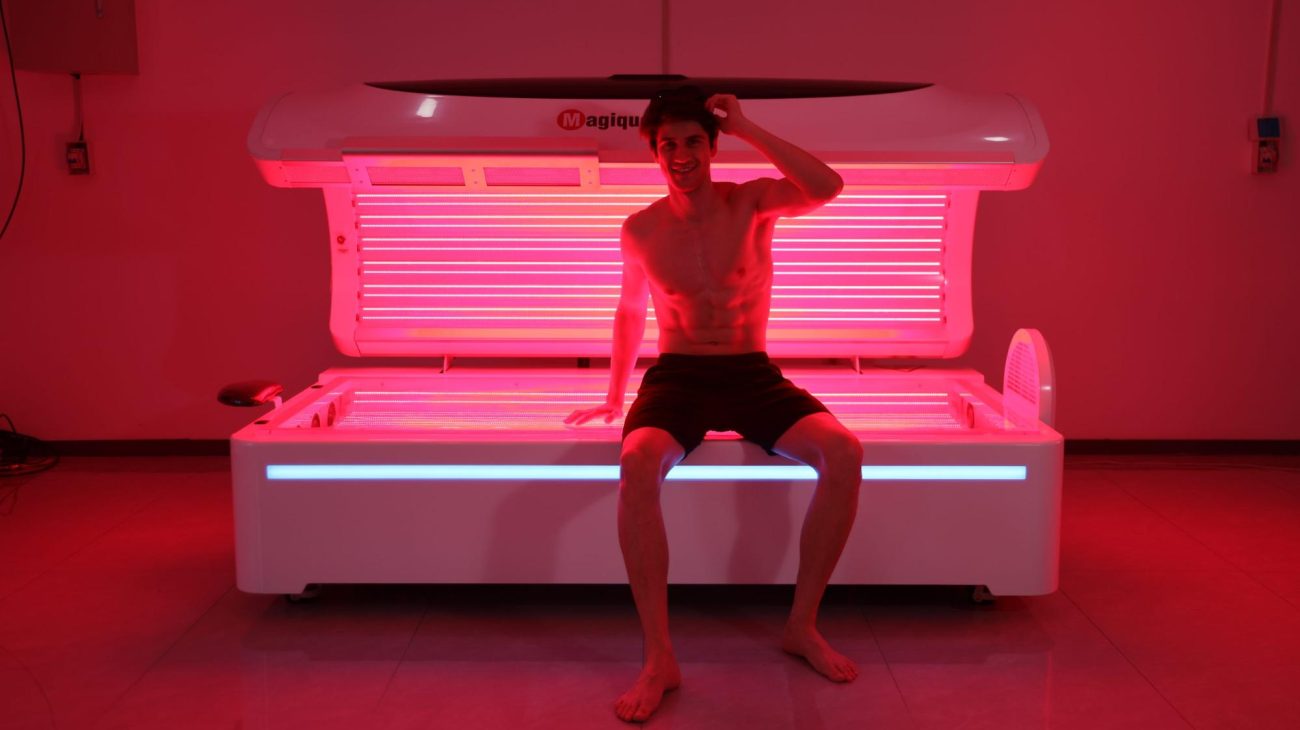
Have you ever watched a clinic light up with rows of red panels and wondered why results vary so much? I have—and the contrast is striking. Advanced red light technology is now used in clinics, gyms, and home devices, yet clinical outcomes still swing widely from one setup to another (and that matters).
Recent surveys show single-center studies reporting 20–60% variance in recovery metrics when users shift device type or placement. I read those numbers and ask: why do similar devices produce different results? Is it the LED arrays, the control firmware, or user habits? This is not just academic—real people expect reliable relief and predictable performance.
In this piece I’ll walk through what I see as the real problems holding the field back. I’ll name the weak links, show where users feel pain, and point toward practical ways to fix them. Let’s get into the flaws—then map a path forward.
 Part 2 — Where Traditional Solutions Fail (A Technical Look)
whole body light therapy has promise, but many setups miss the mark early. I’ll be blunt: a lot of products treat power and timing as afterthoughts. They pick cheap power converters, glue in LEDs, and ship. The result? Uneven irradiance, unstable pulse rates, and frustrated users. I’ve seen devices advertise peak wattage while ignoring beam uniformity—big red numbers that don’t tell the true story.
Look, it’s simpler than you think: insufficient calibration and poor thermal design erode device performance. When LEDs heat up, output shifts. When control boards lack proper feedback, you get drift. Add to that a lack of standardized dosing—pulse width, frequency, and irradiance vary—and you’ve got inconsistency. Add one more thing—edge computing nodes are rarely used to log per-session metrics, so no one learns from real use data. — funny how that works, right?
Why does this hurt users?
Users feel it as wasted time, sporadic benefits, and confusion about protocols. I’ve talked to therapists who tell me patients stop trusting devices after one disappointing cycle. For athletes and chronic pain sufferers, that’s not acceptable. Photobiomodulation is promising, but poor implementation steals the gain. We need better testing, better component choices, and real feedback loops to fix this.
Part 3 — Principles for Next-Gen Systems and What to Watch
Now let’s push forward. I want to explain core principles that matter when building or choosing a system. First: dose control. You must match irradiance, duration, and wavelength to the target tissue. Second: thermal and power management. Use quality power converters and thermal paths so LED arrays stay in spec. Third: data and feedback—edge computing nodes or local loggers let the device learn and adapt to real sessions. These three principles cut through marketing noise and get you actual outcomes.
In practice, that means devices that report session logs, auto-adjust output for temperature drift, and present simple metrics to the user. If you’re evaluating whole body light therapy solutions, ask for logged sample sessions and temperature compensation details. I’m partial to systems that integrate closed-loop control—yes, you pay a bit more up front, but you get repeatable results. — and yes, I said that because consistency matters to me.
What to measure next?
When comparing products, focus on three evaluation metrics: 1) Delivered Dose Consistency—how much variance across runs; 2) Thermal Stability—does output hold when warmed; 3) Usability of Data—are session logs accessible and actionable. I suggest vendors give sample CSVs or app exports so you can inspect real performance. These metrics help separate real engineering from slick branding. I’ve used this checklist in clinics; it works.
To wrap up, I’ll say this plainly: I want devices that behave predictably and help people. We’ve seen where traditional builds fail—cheap converters, weak thermal design, no feedback—and we’ve outlined clear fixes. If you keep those three metrics front and center, you’ll choose smarter solutions. For more engineering-minded gear and support, consider checking brands that back their specs with data—like Magique Power.
→More from the desk
All reports Real Estate
Navigating Real Estate: Practical Strategies for Buyers, Sellers, and Investors in a Shifting Housing Market
 Casino
Strategi Sukses di Platform Taruhan Daring: Akses Bermain, Akun, dan Link Alternatif yang Andal
 Ecommerce