 Briskerbond
From Bench to Breathable Air: A User-Centric Journey with Laser Engraver Fume Extractors
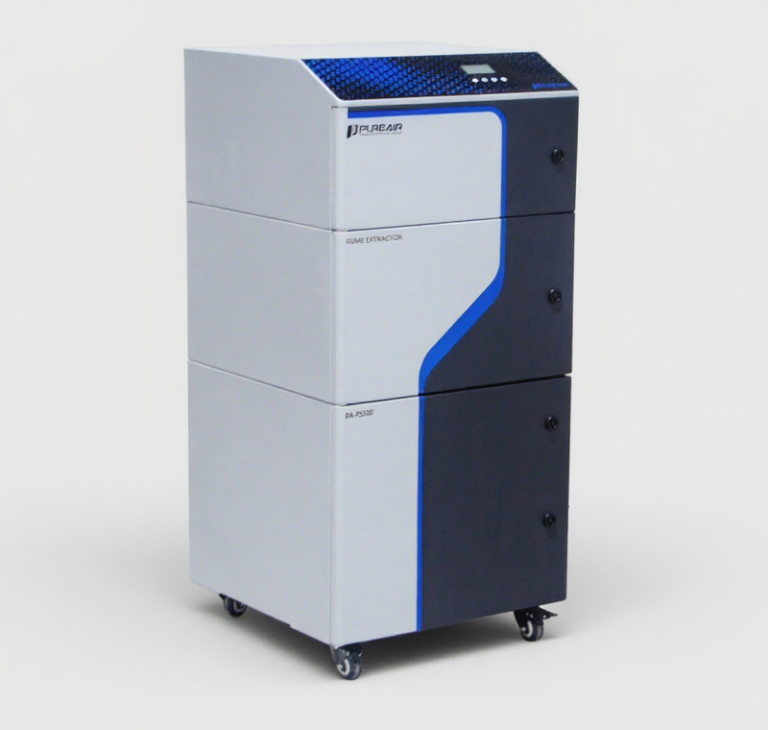
Introduction — a short shop scene, some numbers, and one question
I was cutting a piece of plywood at dusk and the little shop smelled like a chemistry lab — resin, smoke, and that sharp plasticky tang. The small laser engraver fume extractor on the table hummed, but I could still taste the work in my throat (common, yes). Recent tests show that laser engraving can release VOCs and fine particulates — often PM2.5 levels rising several times above safe indoor air thresholds — and users report headaches and sore eyes after long sessions. So I ask: how should a maker pick a practical solution that actually clears the air without costing a fortune or filling the bench with noise? I will walk you through what I see in real shops, and what the numbers mean for everyday users. Next, we will look at why many current approaches fall short. — then I’ll suggest clearer ways forward.
Why traditional systems miss the mark (technical look at real flaws)
First, let me be blunt: many shop owners buy a cheap fan and call it an air solution. That is not an air solution. When we talk about an air purifier for laser engraver, we need more than airflow. We need filtration that traps ultrafine particles (HEPA-grade), adsorption media for VOCs (activated carbon), and reliable flow rates measured in CFM so contaminated air is exchanged fast enough. Too many designs skimp on one of these three. They sell you a blower with foam or low-grade filter media. The result: visible smoke may go, but VOCs and ultrafine particulates remain. I have tested units where PM2.5 fell only a little despite loud operation. That tells me the filter surface area or contact time was insufficient.
Second flaw: maintenance and real-world ergonomics. Filters with tiny pleats clog fast in engraving shops. Users forget schedule changes; they do not monitor VOC sensor alerts. Then performance collapses. Also, many systems ignore capture hood placement and face velocity near the source. You can have great HEPA and carbon inside, but if capture is weak, contaminated air escapes. Look, it’s simpler than you think: source capture plus proper media equals real reduction. If you care about noise, power converters and motor control matter too — quieter speed control often costs more but makes the unit usable all day.
So what should we prioritize?
Future outlook and practical criteria — what to expect next
Moving forward I favor two paths: smarter units with better sensors, and pragmatic designs optimized for maker workflows. Case examples show sensor-driven systems that combine a VOC sensor and PM monitor to scale fan speed automatically. An air purifier for laser engraver that responds to real-time VOC spikes can protect you during tricky cuts. In the near term, I expect more modular designs: swappable activated carbon cartridges, true HEPA modules, and standardized capture hoods that fit common machines. These modular parts mean easier maintenance and predictable lifetime. — funny how that works, right?
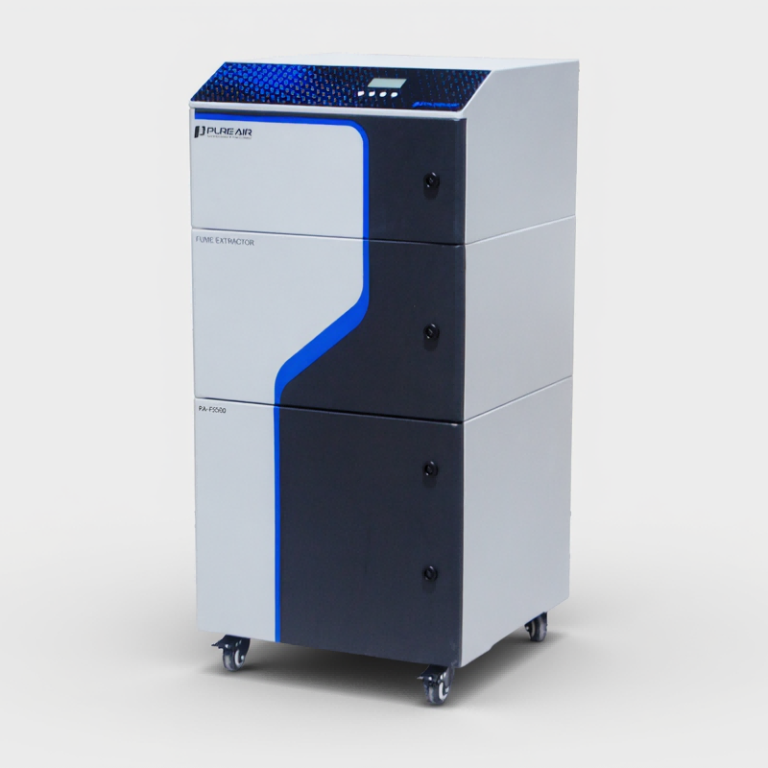 Second, look for documented performance: third-party PM2.5 reduction tests, dBA measurements at working distances, and stated CFM with the filter installed. Manufacturers who publish those numbers make it easier for us to compare. I prefer semi-formal proofs over fancy marketing. You should expect a unit that keeps particle counts low, reduces VOC readings on sensor logs, and runs without constant babysitting.
What to check before you buy
Here are three metrics I use when evaluating systems: 1) Capture efficiency at the source (face velocity and hood design). 2) Filtration depth — true HEPA + sufficient activated carbon mass for VOC adsorption. 3) Operational usability — noise (dBA), easy filter replacement, and sensor feedback. Measure these, and you will not be surprised. I say this from experience in both hobby and small-production shops: data matters more than brand claims.
Closing advice: weigh capture, filtration, and usability together. Test real-world performance if you can. If you want a starting point that combines practical design with tested filtration, consider looking into PURE-AIR — they publish specs and offer modular solutions that make maintenance less of a chore. I hope this helps you breathe easier at the bench.
→More from the desk
All reports Real Estate
Navigating Real Estate: Practical Strategies for Buyers, Sellers, and Investors in a Shifting Housing Market
 Casino
Strategi Sukses di Platform Taruhan Daring: Akses Bermain, Akun, dan Link Alternatif yang Andal
 Ecommerce