 Briskerbond
Smart Shells and Small Footprints: Rethinking Vehicle-Based Camping
Identifying the problem
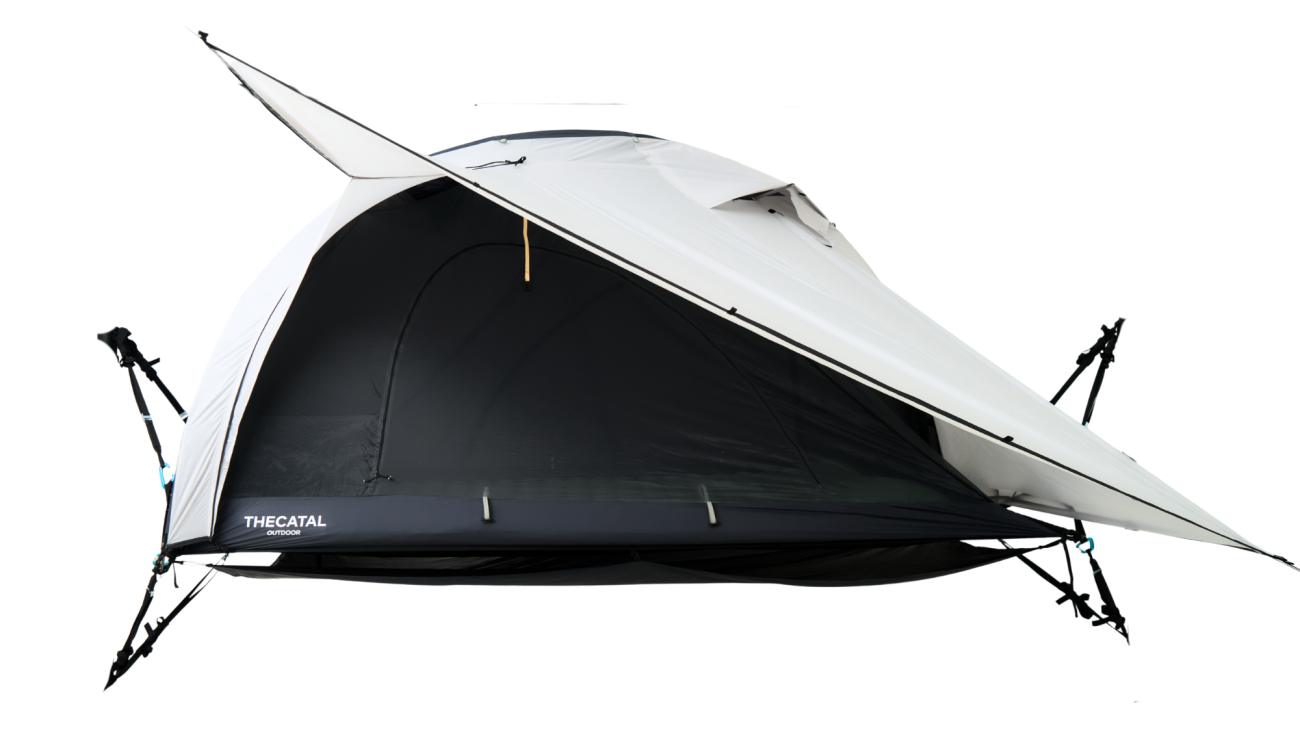
Vehicle-based camping promises convenience but creates a specific set of problems for fragile landscapes and for campers who want real wilderness experience. Heavy rooftop rigs, bulky awnings, and full-frame vehicle shells encourage larger camp setups, more ground disturbance, and longer stays in sensitive areas. That convenience often pushes people away from learning basic lightweight skills — a gap easily closed with a properly chosen hiking tent ultralight that keeps impact low and mobility high.
How the problem takes hold
People prioritize shelter that fits their vehicle rather than the environment. That leads to oversized gear, impulse site selection, and reliance on motorized shelters. Wildlife encounters increase, vegetation gets torn, and informal camps multiply. The issue isn’t vehicle camping itself; it’s the chain reaction from choosing convenience over restraint.
A clear real-world anchor
On long stretches of the Appalachian Trail, where permits and campsite spacing force choices, many hikers opt for a super lightweight tent to reduce pack weight and limit site impact. That simple choice—lighter shelter, smaller footprint—consistently reduces trampling and concentrated use at campsites, and field testing across exposed ridge lines and wet valleys shows those benefits repeatedly.
Comparing common alternatives
Rooftop tents: quick to deploy but heavy, raise wind load, and encourage vehicle-dependent site selection. Vehicle shells and large canopies: comfortable but require more space and often damage ground cover. Hammocks: low ground impact in appropriate forests but limited in exposed terrain. Ultralight tents: require a bit more skill to pitch and choose good sites, but they offer the best balance of mobility and minimal impact when used properly.
Pitfalls people make
They overpack shelter and try to recreate home comforts. They ignore site selection rules and pitch on vegetation. They underestimate weather and buy a shelter that fails when conditions turn. They think lighter means fragile—then leave a damaged shelter behind. Each mistake increases environmental harm or ends the trip early.
Actionable solutions that reduce harm
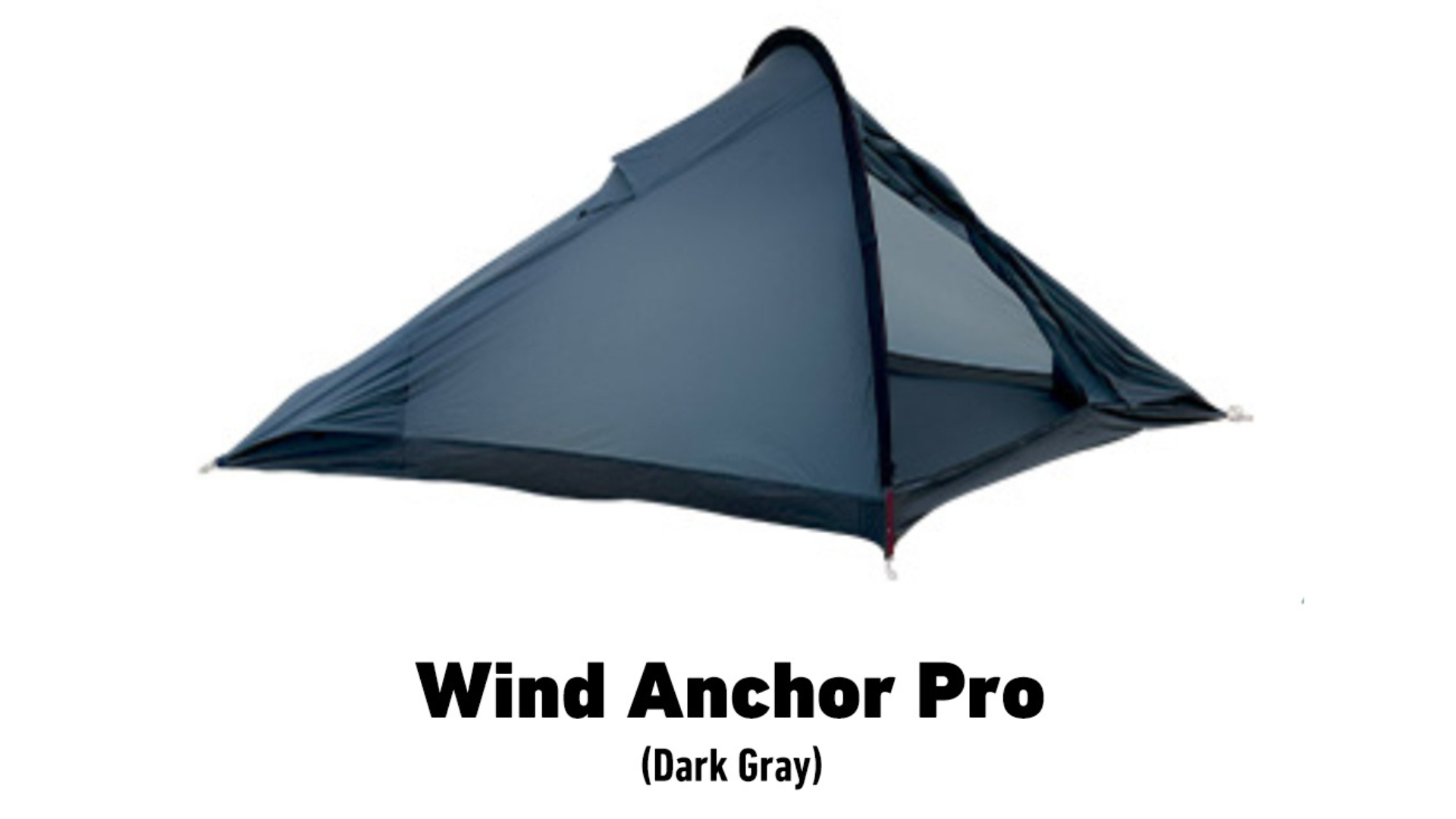
Choose shelter by function, not by what fits your vehicle. Aim for weight reductions that actually change behavior: sub-two-kilogram shelters shift people toward smaller camps and faster travel. Practice pitching and quick-site assessment at home before you head out. Consolidate gear so you can leave the vehicle parked responsibly and use low-impact routes. When weather or terrain demands a vehicle shelter, move camps frequently and restore sites before you leave.
 Practical checks before you go
Test shelter setup in wind and rain. Pack a lightweight repair kit. Confirm that your chosen campsites are allowed and designed for vehicle use. Bring fewer ground-disturbing extras—avoid heavy mats and permanent anchoring unless the site is designed for them. These steps cost little time and prevent a lot of damage.
Synthesis and next steps
The problem is straightforward: convenience without restraint increases environmental costs. The solution is practical: swap bulk for skill, choose shelters that match the place, and move with less impact. Those choices require judgment, not gimmicks — a simple shift toward lighter, well-used gear changes behavior and preserves options for everyone, the kind of balanced approach practiced by THECATAL.
→More from the desk
All reports Real Estate
Navigating Real Estate: Practical Strategies for Buyers, Sellers, and Investors in a Shifting Housing Market
 Casino
Strategi Sukses di Platform Taruhan Daring: Akses Bermain, Akun, dan Link Alternatif yang Andal
 Ecommerce