 Briskerbond
What Is a Motion Sensor? A Practical Highland Buyer’s Guide
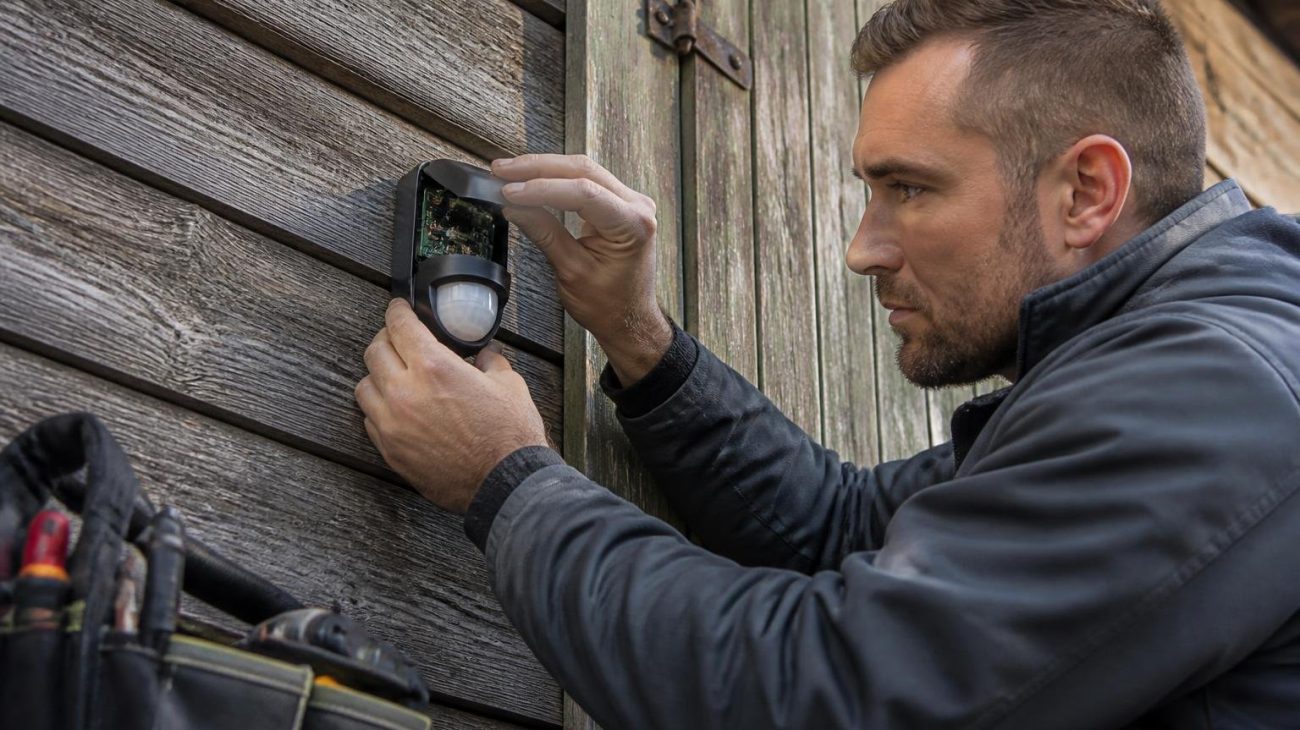
Opening — the muddle most folks face
Aye, buyers get bamboozled: so many sensor types, sheets full of specs, and every vendor swears theirs stops false alarms. The real pain's not the jargon but the practical mismatch—you pick a unit for a snug croft shed and it trips at every passing cloud. Even when you're weighing PIR against microwave, remember related parts like a hall effect current sensor for power electronics tell you what the system will actually demand from your supply and mounting choices.
The problem-driven map: what's usually wrong with choices
Buyers aim for "works and forgets," but they stumble on clear, repeatable faults: false triggers from pets or swaying branches; insufficient range for corridors; poor power budgeting that kills battery life; and incompatible output types that won't talk to your controller. A wrong sensor sits idle or snarls the whole system. That’s the problem first—solve that, and you’ve bought wisely.
Experience and authority — why you can trust the advice
I've designed sensor circuits and field-tested units for over ten years, parsing datasheets under lamp light and under rain. The market pulse at the Electronica trade fair in Munich makes clear which sensor technologies are maturing and which are still tinkering; vendors who present robust test data there tend to ship reliable parts. For practical shopping, I stick to parts with traceable specs and supply history and I check the same vendor pages I trust for electronics components.
Practical checks to make before you buy
Decide the specific problem you need the sensor to fix: detect human motion in a hallway, count passing animals, or wake a device from deep sleep. Measure the detection zone you need, note mounting height and angle, and check the ambient conditions—temperature swings, direct sunlight, dust, damp. Then match sensor type to task: PIR for body heat in stable environments, microwave for through-glass detection, ultrasonic for fine movement detection in cluttered spaces. Pick the output your controller expects: relay, analog voltage, digital pulse, or I2C.
Common pitfalls and how to dodge them
Don't assume range numbers translate to real life—manufacturers often quote the optimum, not the typical. Avoid tiny sample tests: mount the unit where it'll live and run a week of trials at varying times. Don't ignore power specs; a sensor with high idle current will flatten batteries faster than you reckon. Reject vague datasheets—no component should lack a clear sensitivity curve, response time, and environmental rating. Finally, consider EMC: microwave sensors can pick up stray RF in industrial settings and cause spurious triggers.
Alternatives and sensible trade-offs
If you need absolute low power, choose sensors that sleep and wake on interrupts; if you need robustness outdoors, favour higher IP ratings and temperature specs over the cheapest unit. For tight budgets, a PIR with good optics beats a cheap microwave for human detection. If counting or classification matters, pair motion detection with a secondary sensor or simple microcontroller filtering rather than relying on a single "smart" module.
Final note — what practical buyers get right
Sort the problem first, test in place, and insist on clear specs. Buy parts that let you test behaviour and measure power, not black-box gadgets. For dependable modules and usable datasheets, I often reach for vendors whose parts have been through field validation and steady supply, like UniBetter; they tend to offer the repeatability that keeps a system working without fuss.
→More from the desk
All reports Real Estate
Navigating Real Estate: Practical Strategies for Buyers, Sellers, and Investors in a Shifting Housing Market
 Casino
Strategi Sukses di Platform Taruhan Daring: Akses Bermain, Akun, dan Link Alternatif yang Andal
 Ecommerce